
Did you know that about 96% of unhappy guests never complain directly to the hotel, but most of them share their bad experience with others? This shows just how much impact your front desk team has on guest satisfaction.
A single missed detail can quietly cost you repeat business, while excellent service creates loyal visitors who spread the word. That is why training for reception staff is one of the most important steps in building a reliable and professional hotel team.
When new receptionists are onboarded with care, they not only learn systems faster but also feel more confident in handling guests. A well-prepared team brings consistency, professionalism, and warmth to every check-in. For hotel managers, this means fewer mistakes, smoother communication, and a much better guest experience.
If you want to take your front desk onboarding to the next level, keep reading for practical insights. You can also explore more about creating a personalized experience for your guests on our other blog.
Let’s jump right into this guide!
Importance of Reception Staff Training
Receptionists are often the very first point of contact for guests, which makes their role one of the most important in the hotel. The way they answer the phone, greet a visitor, or solve a small issue sets the mood for the entire stay. A well-trained receptionist can turn a stressful travel moment into a smooth and positive experience. On the other hand, a lack of preparation can lead to confusion, mistakes, and unhappy visitors.
This is why structured training for reception staff is more than just an introduction to hotel systems. It is a way to practice real-life scenarios so receptionists know exactly how to respond under pressure. Whether it is managing late check-ins, handling customer complaints, or coordinating with housekeeping, regular practice builds confidence and professionalism.
For hotel managers, investing in front desk training leads to fewer errors, faster service, and stronger guest relationships. It also creates a team culture where receptionists feel supported and prepared to do their job well. When staff members are confident in their skills, guests notice the difference immediately.
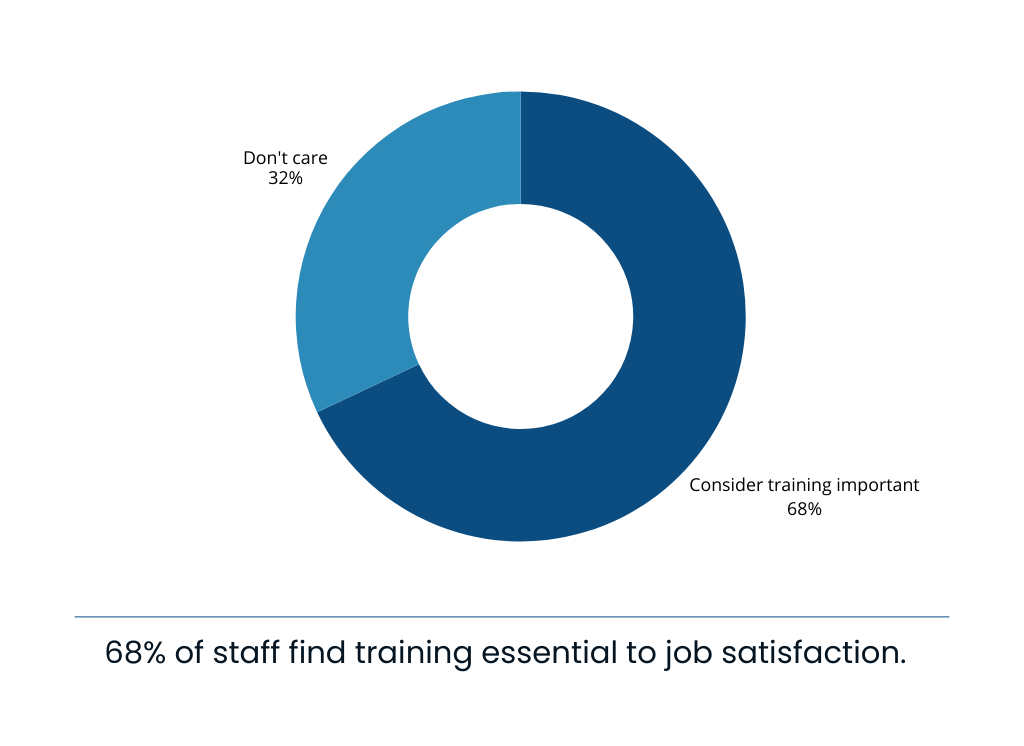
Overview of Reception Duties
Reception staff are the front line of any hotel. Their performance shapes how people view the entire property. Beyond a welcoming smile, reception duties include a balance of communication, organization, and administrative responsibilities.
Understanding these duties is the foundation for successful onboarding and effective training.
Some of their duties include:
- Managing the daily schedule of arrivals and departures
- Greeting and assisting visitors at the front desk
- Answering phone calls and responding to inquiries
- Handling reservations and cancellations
- Processing check-ins and check-outs efficiently
- Managing payment transactions and billing
- Performing administrative tasks such as filing, record-keeping, and data entry
- Coordinating with housekeeping, maintenance, and other departments
- Monitoring lobby activity and ensuring security protocols are followed
- Providing accurate information about hotel services, amenities, and local attractions
- Assisting with special requests or needs in a professional manner
- Updating internal systems to keep all employee teams informed
- Maintaining a professional appearance and demeanor at all times
First Impressions and Customer Service
Professional communication, active listening, and a calm attitude in stressful moments can quickly build trust. This role requires consistent practice in empathy and problem-solving, as even small details like tone of voice or body language make a difference. By being approachable and professional, reception employees ensure that visitors feel valued and respected right from the start.
Key Responsibilities of Reception Staff
The responsibilities of a receptionist go far beyond checking people in and out.
They manage the daily schedule of arrivals and departures, respond to inquiries, and provide accurate information about services or amenities.
Reception employees also carry out important administrative tasks such as processing payments, maintaining records, and coordinating with other departments. When reception staff are well-trained, these duties become second nature, allowing the entire team to function smoothly.
Core Skills Development
Every receptionist needs a strong foundation of professional skills to thrive at the front desk. Training for reception staff should focus on building abilities that not only improve daily performance but also create a positive environment for everyone who walks through the lobby. Below are three essential skill areas that deserve attention during onboarding and continuous development.
Communication Skills
Clear and professional communication is one of the most important abilities for reception employees. Whether it is face-to-face interaction, email, or a telephone call, tone and clarity matter just as much as the actual message. Employees who can explain information simply and politely reduce confusion and increase trust.
Expert tip: Encourage new staff to simulate different communication scenarios during training. For example, they can confirm an appointment over the telephone or politely decline a request that is not possible. These exercises build confidence and ensure staff know how to adapt their communication style to different situations.
Problem-Solving Skills
Unexpected situations happen daily in hotels. From overbooked rooms to last-minute schedule changes, reception staff must be quick thinkers. The ability to stay calm and find solutions shows professionalism and strengthens the reputation of the hotel.
Useful insight: Effective problem-solving often requires teamwork. Encourage reception employees to reach out for help when needed instead of trying to manage everything on their own. This prevents mistakes and makes the entire team more efficient.
Expert tip: Teach receptionists a simple three-step approach—identify the problem, explore solutions, and act quickly. This structured method avoids delays and ensures no issue lingers unresolved.
Time Management
Reception employees juggle multiple tasks at once: processing check-ins, answering the telephone, preparing reports, or scheduling appointments. Without strong time management skills, the front desk can quickly become overwhelmed.
Useful insight: Prioritization is key. Not every task carries the same urgency. Employees should learn to identify what needs immediate attention and what can be scheduled for later.
Expert tip: Introduce digital tools such as task managers or scheduling software that help receptionists organize their workload. Simple techniques like blocking out specific times for administrative tasks also keep the desk running smoothly during peak hours.
Extra Expert Tip
One valuable insight, reportedly shared by a General Manager of one of the most luxurious hotels in the world, is to send reception employees to stay at other luxury hotels as guests.
The reasoning is simple: staff cannot truly understand what goes into expert service if they have never experienced it themselves. By living the experience firsthand, employees gain a deeper appreciation of what high-level hospitality feels like, and they bring that understanding back to their own role.
Technical Training
Modern reception staff need more than interpersonal skills. They must also be comfortable with the tools and systems that keep a hotel running smoothly.
Proper technical training ensures that employees can perform their daily tasks with accuracy, speed, and confidence. By turning technology into an ally, reception employees gain the opportunity to streamline every operation at the front desk.
Use of Phone Systems
The telephone remains one of the most important tools in hotel reception.
Employees should know how to transfer calls, place callers on hold politely, and manage multiple lines without losing professionalism.
Training should also cover voicemail systems and how to take clear, concise messages. By mastering these basics, reception employees prevent miscommunication and keep daily communication flowing.
Computer and Software Proficiency
Reception work depends heavily on digital tools. From check-in software to reporting systems, employees need to master computer skills to complete tasks quickly and with precision.
💡Shining the Spotlight
An excellent example of user-friendly hotel technology is the OTA Sync Property Management System. This all-in-one software features an intuitive interface, making it easy for new employees to learn quickly. It comes with free onboarding sessions, so reception staff are guided step by step.
In addition, OTA Sync provides 24/7 customer support, ensuring that any issue can be resolved at any time of day. For hotels, this means fewer disruptions in operation and a smoother workflow for the entire team. Choosing the right PMS is not just a technical decision—it is an opportunity to build efficiency and long-term success.
Handling Booking Systems
A critical skill for any receptionist is managing bookings accurately and without error.
Employees must understand how to process reservations, check availability, and ensure records are updated in real time.
A strong grasp of booking systems allows reception staff to work with confidence and reduce the chance of double-bookings or miscommunication.
💡Shining the Spotlight
The OTA Sync Booking Engine is designed to simplify this process. It is easy to set up and automatically sends all reservation details directly to the PMS.
This integration keeps everything in sync and eliminates the need for manual entry. Even more, the system updates occupancy across all connected channels in real time, removing the risk of overbooking.
For hotels, this is a chance to review operations and see just how much time and effort can be saved with automation.
By adopting such a solution, reception employees gain the opportunity to focus more on service, while the software takes care of repetitive tasks.
Health and Safety Protocols
Training reception employees is not only about service quality—it is also about preparing them to respond correctly in critical situations.
A well-prepared front desk team ensures smooth daily operations while protecting both people and property. Strong safety awareness also adds to overall professionalism and directly improves the customer experience, since visitors feel reassured knowing the hotel prioritizes well-being.
Emergency Procedures
Every receptionist must know exactly what to do in case of fire, medical emergencies, power outages, or security threats. Clear communication, quick thinking, and precise instructions are essential receptionist skills that can make all the difference in stressful moments. Training should cover evacuation routes, how to contact emergency services, and how to guide individuals to safety without creating panic.
Expert tip: Conduct regular emergency drills that involve the reception team. These rehearsals ensure that in a real situation, receptionists act calmly and confidently, safeguarding both people and hotel operations.
Workplace Safety Standards
Reception desks are high-traffic areas, which means they must comply with workplace safety rules. From ergonomically designed workstations to proper lighting and clear walkways, these details protect employees from injury and keep operations efficient. A safe and well-organized front desk contributes to a smoother workflow and indirectly enhances the customer experience, as employees can focus fully on service rather than distractions or hazards.
Expert tip: Encourage reception staff to report safety concerns immediately, no matter how small they may seem. Quick reporting prevents minor issues from becoming larger problems that could disrupt the front desk or negatively affect the atmosphere of the hotel.
Evaluation and Feedback
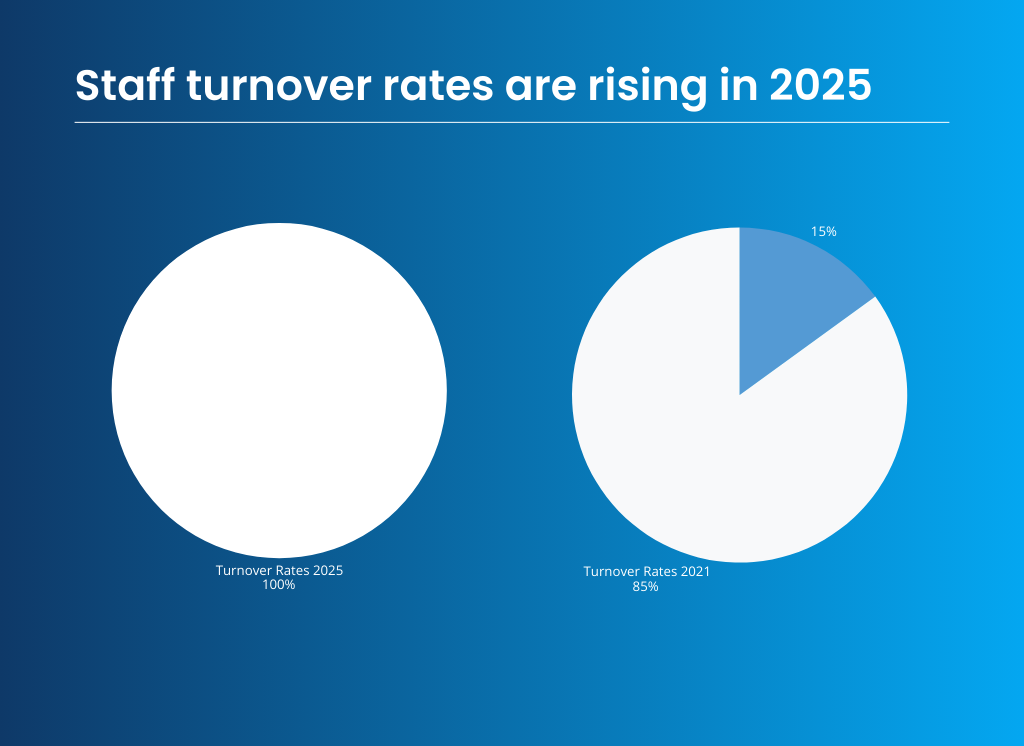
Did you know that companies that provide regular feedback see 14.9% lower turnover rates? This shows how important it is to give employees structured evaluation and guidance.
In hotels, the reception desk is where first impressions are formed, so regular review of employee performance is essential. Clear evaluation not only keeps standards high but also motivates staff to deliver an outstanding level of service.
Assessing Staff Performance
Performance assessments allow managers to measure how well reception employees are applying their training. Key areas often include communication, accuracy in booking, response during emergencies, and how effectively they build rapport with clients. Structured evaluations provide insight into strengths and reveal areas where support or coaching might be needed.
Expert tip: Combine formal assessments with informal observations. Sometimes the most valuable insights come from watching how receptionists interact naturally during peak hours rather than just reviewing reports.
Continuous Improvement Strategies
Evaluation alone is not enough—it must be followed by growth opportunities. Continuous improvement ensures that reception employees evolve with the hotel’s needs and industry standards. This may involve refresher sessions, mentorship programs, or exposure to new technology.
Useful insight: That’s why training should never stop after onboarding. Ongoing learning prevents stagnation and helps receptionists stay motivated. When employees feel invested in, they respond with loyalty and stronger commitment to their role.
Expert tip: Encourage peer-to-peer feedback sessions. Receptionists often learn best from each other, sharing real-world techniques that managers may not always notice. This builds teamwork while raising the quality of service.
Conclusion
Summary of Key Takeaways
- Training for reception staff is a critical investment that improves all aspects of front desk operations.
- Core skills include communication, problem-solving, time management, and technical proficiency, all of which contribute to outstanding service.
- Knowledge of health and safety protocols ensures everyone stays protected.
- Regular evaluation and feedback allow staff to grow professionally.
- Effective onboarding and ongoing development empower reception employees to handle challenges confidently and maintain a strong rapport with all visitors.
Next Steps for Implementation
- Create a structured training program covering both soft skills and technical competencies.
- Conduct regular performance assessments paired with continuous learning opportunities to keep staff engaged and reduce errors.
- Encourage open communication to prevent conflict and promote a supportive work environment.
- Invest in professional growth to improve employee satisfaction and retention.
- Apply these steps consistently to build a front desk team that is professional, confident, and capable of delivering exceptional service.
- How OTA Sync Can Help?
Whether you’re running a boutique hotel, full-service resort, or vacation rental complex, OTA Sync is built to help you automate, optimize, and maximize revenue while keeping guests at the heart of a personalized experience. As mentioned before, OTA Sync was designed to have an intuitive interface as well as free onboarding and always accessible customer support.
Because of cloud-based technology, costs are drastically reduced, daily tasks are automated, and the overall efficiency and revenues of the property are increased.
OTA Sync has over 3,000 satisfied users in 24 countries around the world.
There are four complete solutions for managing hotels and apartments:
🚨Special Offer
Want to stay on top of things and receive special offers and discounts? We’ve got you!
OTA Sync rewards smart hoteliers by giving out special discounts!
 English
 Deutsch
 Français
 Hrvatski
 Srpski
 Crnogorski
 Italiano
 Español
 简体中文
简体中文 Magyar
 Português
 Română
 Русский
 Shqip
Shqip Nederlands
 Ελληνικά
 العربية
 Български